


Corrupção, pobreza e clima contribuem para resistência bacteriana, diz Professor Rodrigo Cayô
Na última terça-feira (01), o Instituto de Química da Universidade de São Paulo (IQ-USP), sede do CEPID B3, foi palco para uma palestra sobre os aspectos ecológicos da resistência bacteriana…
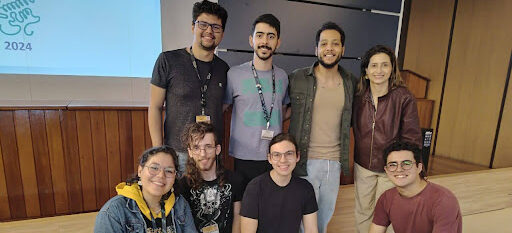
Estudantes do CEPID B3 representarão a USP na maior competição internacional de biologia sintética e biotecnologia
Equipe iGEM USP 2024 Um grupo de estudantes de graduação e pós-graduação vinculados ao Centro de Pesquisa em Biologia de Bactérias e Bacteriófagos (CEPID B3) participará da Competição Internacional de…


Estudo do CEPID B3 pode ajudar no desenvolvimento de antibióticos menos tóxicos
Um estudo conduzido por pesquisadores da Universidade de São Paulo (USP) deu o primeiro passo para a produção de formas mais seguras do antibiótico gentamicina, utilizado para o tratamento de…
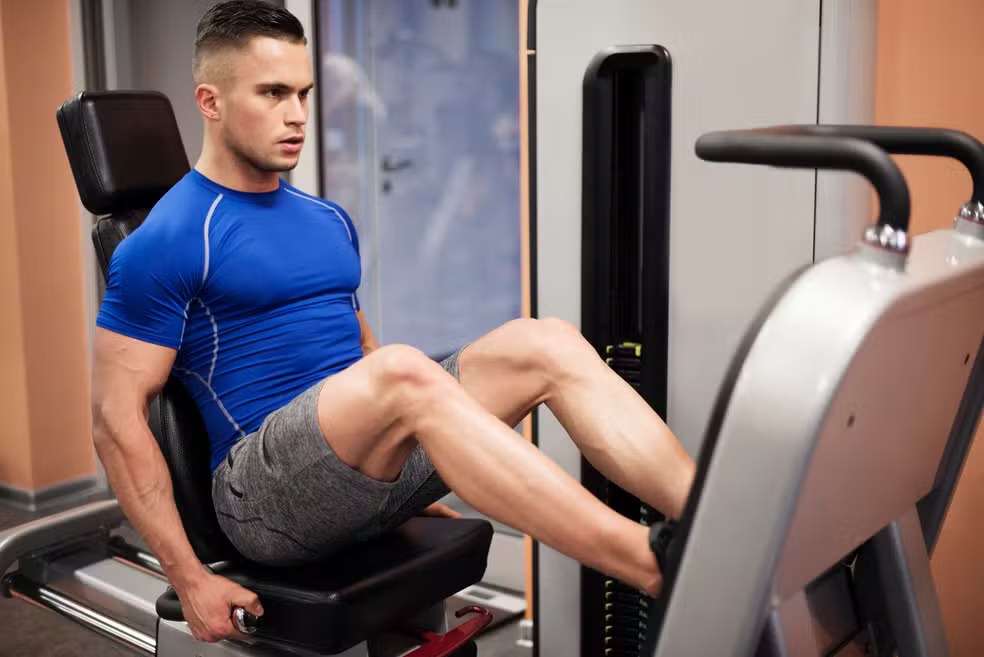
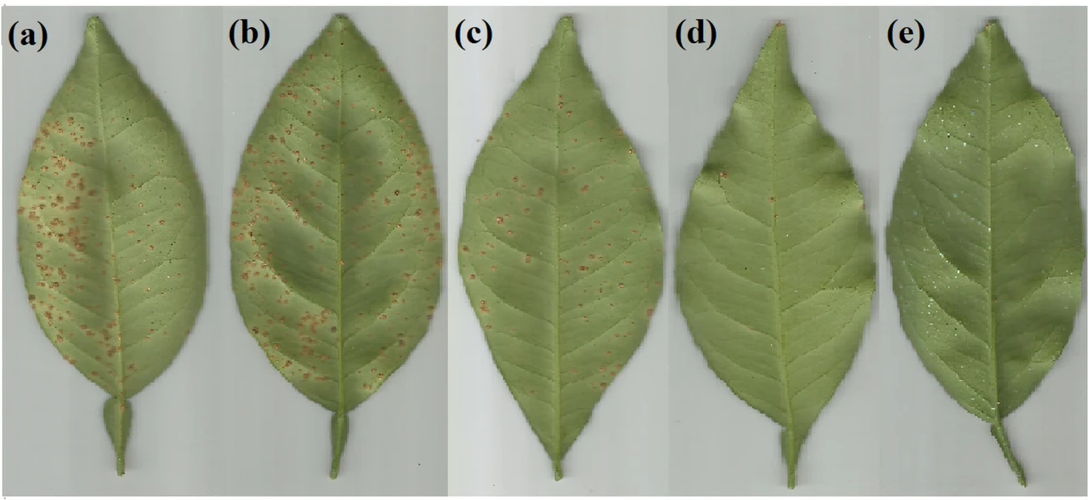
Bifunctional peptides as alternatives to copper‐based formulations to control citrus canker
Citrus canker is an infectious bacterial disease and one of the major threats to the orange juice industry, a multibillion-dollar market that generates hundreds of thousands of jobs worldwide. This…
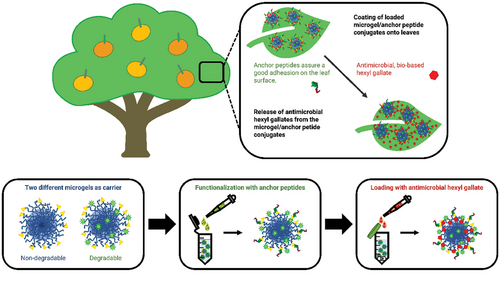
Hexyl Gallate Loaded Microgels Enable Efficient Protection Against Citrus Canker
The development of efficient and environmentally friendly plant protection systems is one of the major challenges for a sustainable agriculture of the future. Citrus canker caused by the pathogen Xanthomonas citri subsp. citri (X. citri)…
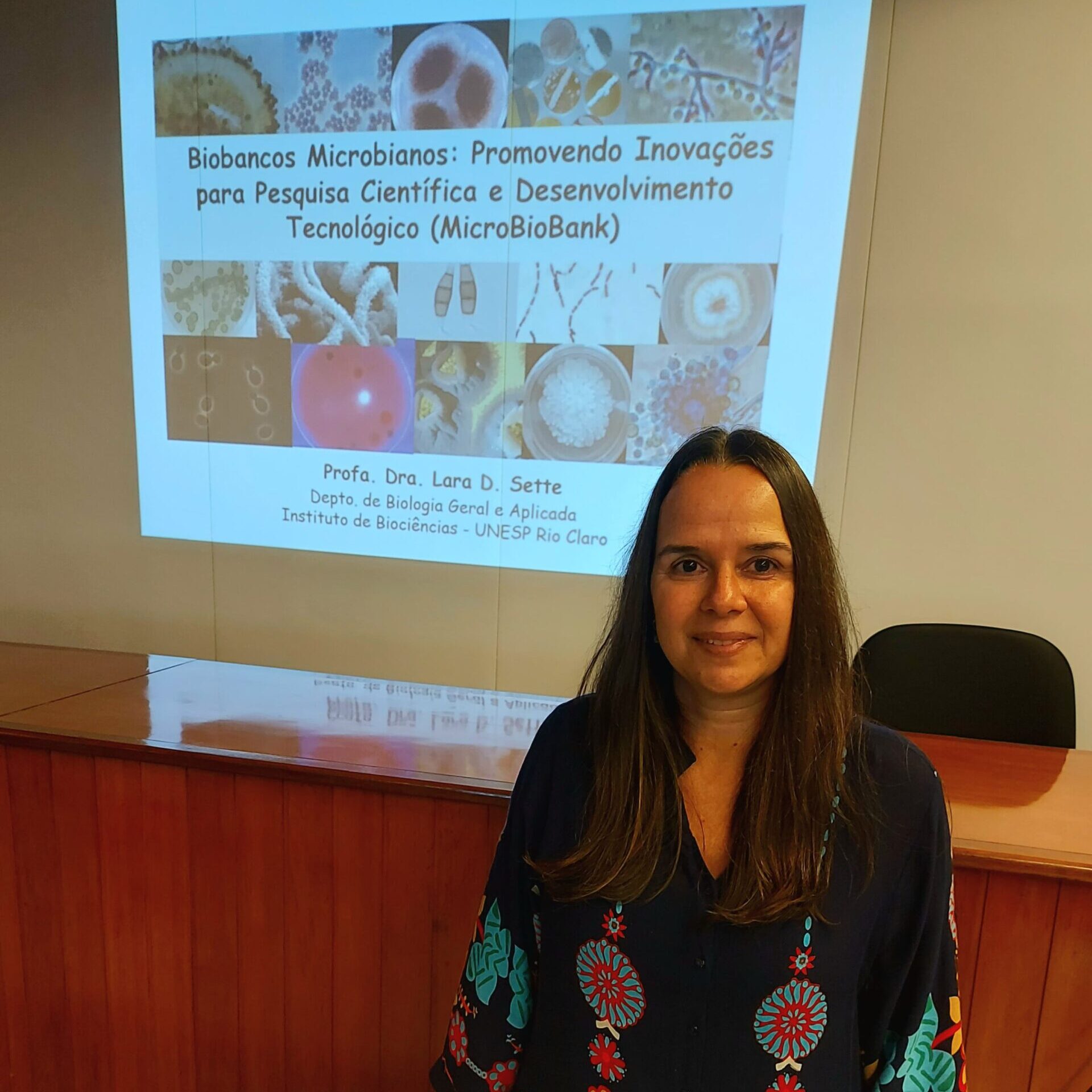
Em palestra no CEPID B3, coordenadora do MicroBioBank fala sobre a importância dos biobancos microbianos
Lara Sette, coordenadora do projeto MicroBioBank e Henrique Ferreira, professor da UNESP e membro do CEPID B3 O Instituto de Química da Universidade de São Paulo (IQ-USP), sede do CEPID…
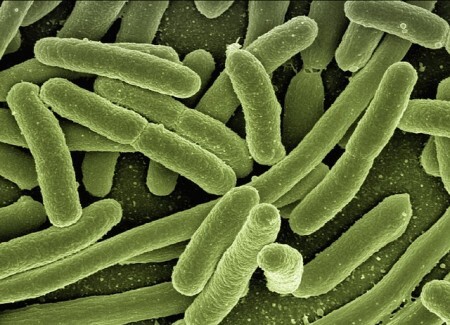
Agência FAPESP: “Centro de Pesquisa em Biologia de Bactérias e Bacteriófagos oferece vaga de pós-doutorado”
O Centro de Pesquisa em Biologia de Bactérias e Bacteriófagos (CEPID B3) dispõe de uma oportunidade de pós-doutorado em regulação gênica bacteriana. O prazo de inscrição vai até 15 de…