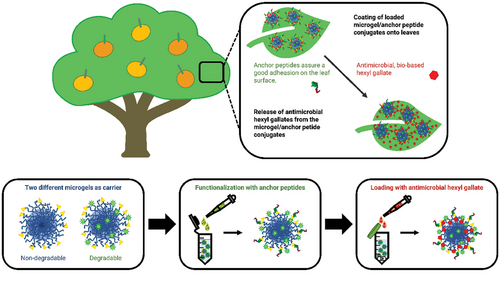
Hexyl Gallate Loaded Microgels Enable Efficient Protection Against Citrus Canker

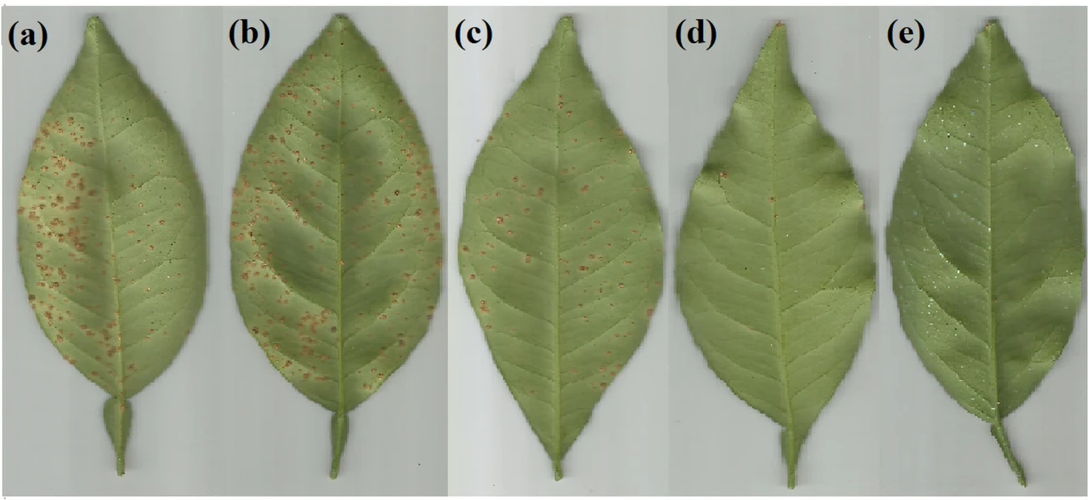
The development of efficient and environmentally friendly plant protection systems is one of the major challenges for a sustainable agriculture of the future. Citrus canker caused by the pathogen Xanthomonas citri subsp. citri (X. citri)…

Continue lendoHexyl Gallate Loaded Microgels Enable Efficient Protection Against Citrus Canker

Obtaining a high titer of polyclonal antibodies from rats to the SARS-CoV-2 nucleocapsid protein and its N- and C-terminal domains for diagnostic test development

Method of obtaining polyclonal antibodies in rats. Anti-Cfull, Anti-NTD and Anti-CTD antibodies demonstrated higher titers for the N protein from SARS-CoV-2. Cfull protein is a good candidate for the development…

Continue lendoObtaining a high titer of polyclonal antibodies from rats to the SARS-CoV-2 nucleocapsid protein and its N- and C-terminal domains for diagnostic test development

Discovery and description of novel phage genomes from urban microbiomes sampled by the MetaSUB consortium

Bacteriophages are recognized as the most abundant members of microbiomes and have therefore a profound impact on microbial communities through the interactions with their bacterial hosts. The International Metagenomics and…

Continue lendoDiscovery and description of novel phage genomes from urban microbiomes sampled by the MetaSUB consortium
Leia mais sobre o artigo The Raphidiopsis (= Cylindrospermopsis) raciborskii pangenome updated: Two new metagenome-assembled genomes from the South American clade
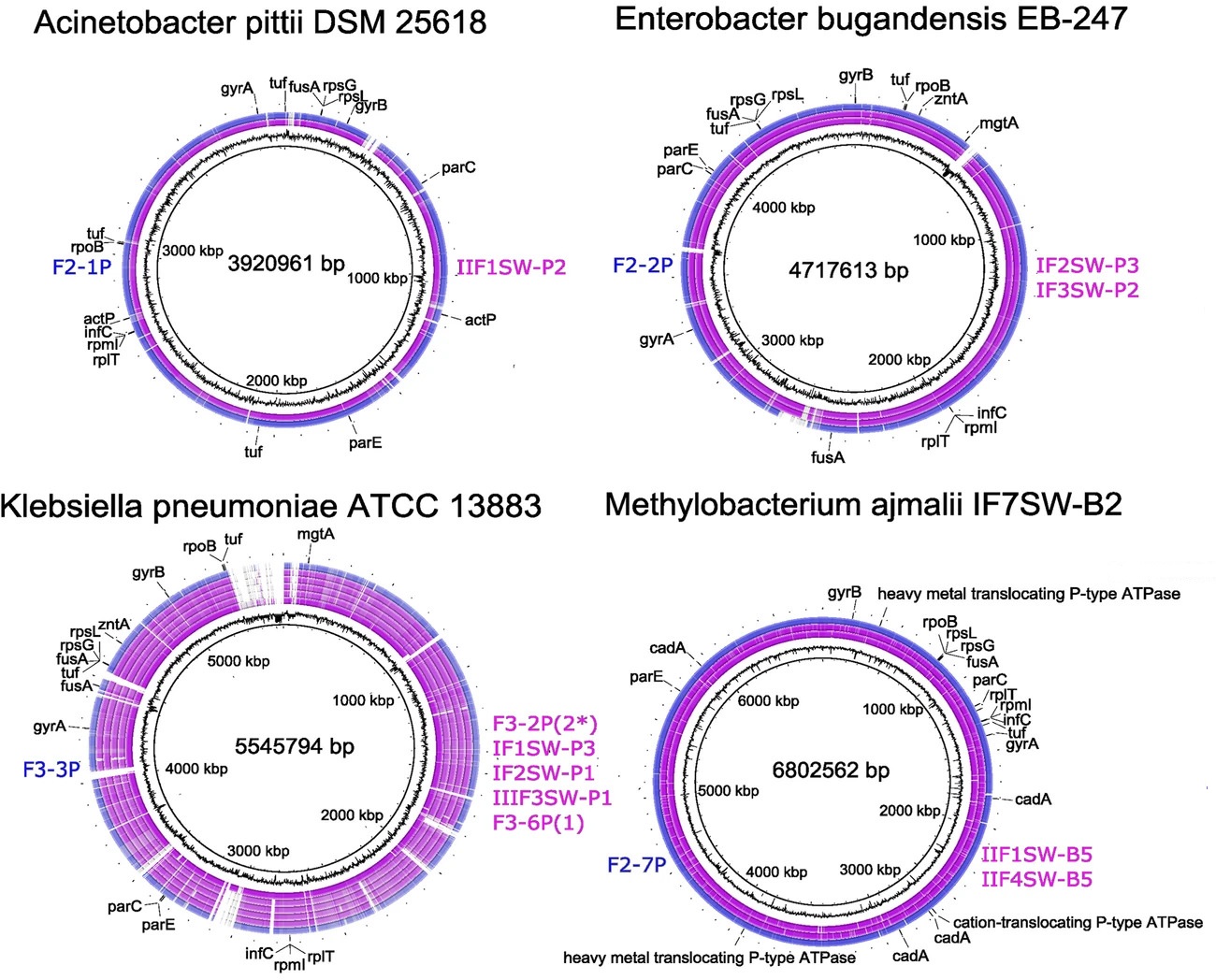
Fig. 3. Heatmap of Raphidiopsis species complex showing the amino acid similarity, and the clustering among the genomes. The box highlights the no-SA KL1 among the SA members. Genome details in Supplementary table S1.

The Raphidiopsis (= Cylindrospermopsis) raciborskii pangenome updated: Two new metagenome-assembled genomes from the South American clade

Two high quality Cyanobacteria MAGs were recovered from a freshwater lake, Brazil. The MAGs were identified as Raphidiopsis (=Cylindrospermopsis) raciborskii. The new MAGs increased the pangenome size by 11 %…

Continue lendoThe Raphidiopsis (= Cylindrospermopsis) raciborskii pangenome updated: Two new metagenome-assembled genomes from the South American clade

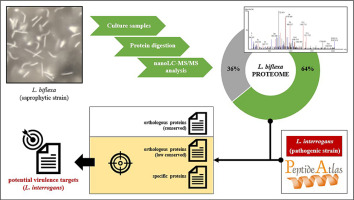
Global proteome of the saprophytic strain Leptospira biflexa and comparative analysis with pathogenic strain Leptospira interrogans uncover new pathogenesis mechanisms

The first global proteome of the saprophytic species L. biflexa published. Comparative proteomic analysis between saprophytic L. biflexa and pathogenic L. interrogans species. Identification of orthologous proteins and specific proteins…

Continue lendoGlobal proteome of the saprophytic strain Leptospira biflexa and comparative analysis with pathogenic strain Leptospira interrogans uncover new pathogenesis mechanisms
Leia mais sobre o artigo Uncovering the Association Mechanism between Two Intrinsically Flexible Proteins
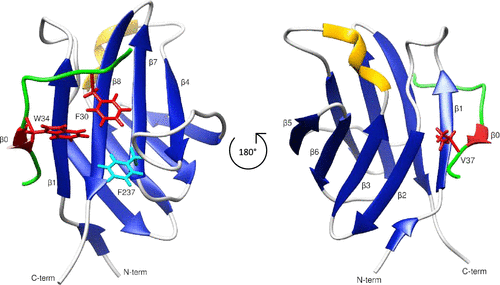
Figure 1. NMR solution structure of the VirB9Ct–VirB7Nt complex (PDB 2N01). The secondary structure is color-coded blue for β-strand and yellow for helix. VirB7Nt is shown in green and the VirB7Nt β0 is shown in red. VirB7Nt side chain residues F30 and W34 are shown in sticks and red-colored, while VirB9Ct F237 side chain is shown in cyan. This complex is stabilized by a series of interactions between VirB7Nt aromatic residues, F30 and W34, and VirB9Ct solvent exposed side chains on the surface of the β1−β8−β7−β4 β-sheet, and by the accommodation of VirB7Nt V37 in a hydrophobic cleft formed between VirB9Ct strands β1 and β2.

Uncovering the Association Mechanism between Two Intrinsically Flexible Proteins

The understanding of protein–protein interaction mechanisms is key to the atomistic description of cell signaling pathways and for the development of new drugs. In this context, the mechanism of intrinsically…

Continue lendoUncovering the Association Mechanism between Two Intrinsically Flexible Proteins
Leia mais sobre o artigo A novel BLUF photoreceptor modulates the Xanthomonas citri subsp. citri–host plant interaction
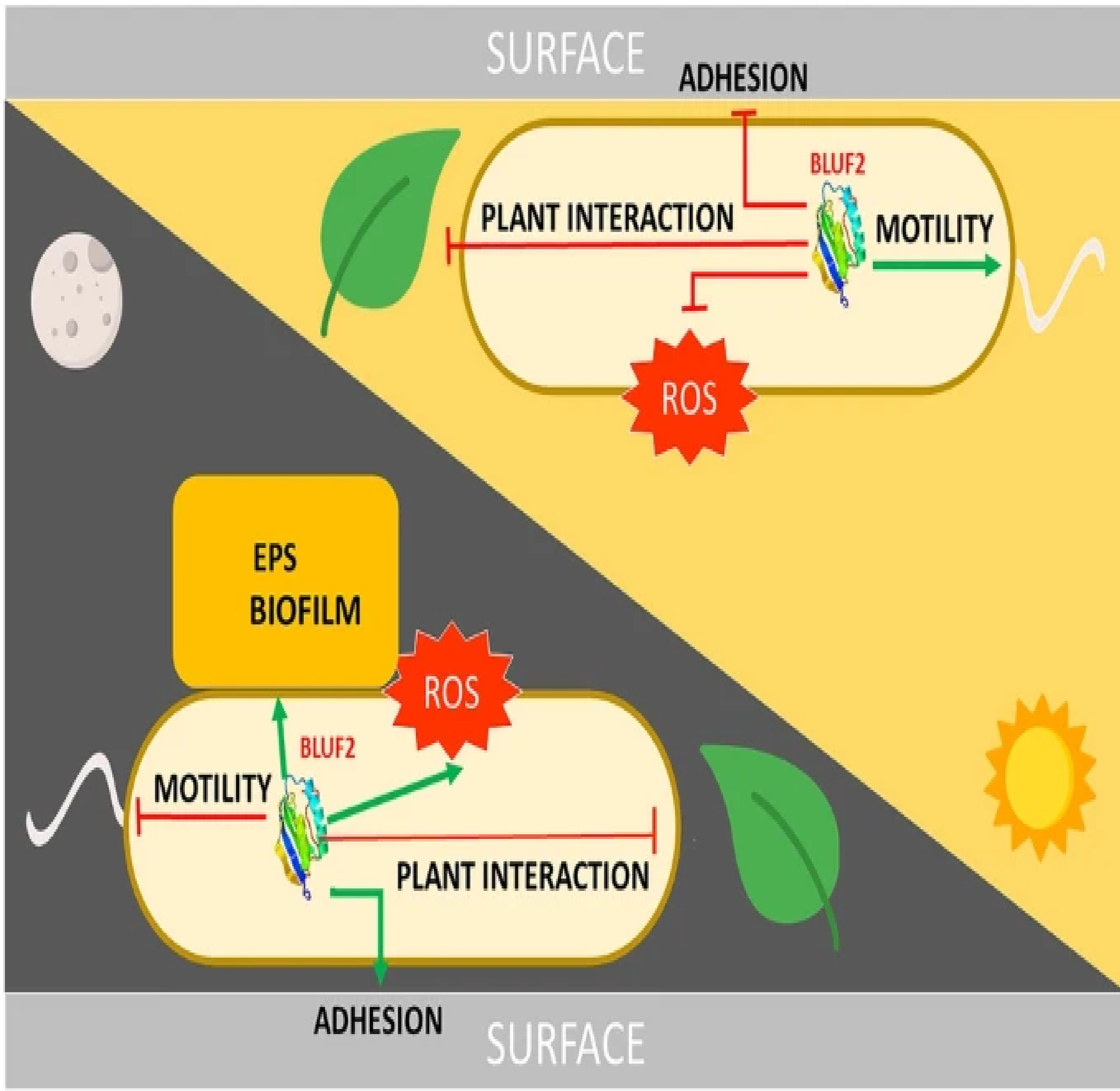
Graphical abstract

A novel BLUF photoreceptor modulates the Xanthomonas citri subsp. citri–host plant interaction

Abstract Plant–pathogen interaction is influenced by multiple environmental factors, including temperature and light. Recent works have shown that light modulates not only the defense response of plants but also the…

Continue lendoA novel BLUF photoreceptor modulates the Xanthomonas citri subsp. citri–host plant interaction
Leia mais sobre o artigo Analysis of twelve genomes of the bacterium Kerstersia gyiorum from brown-throated sloths (Bradypus variegatus), the first from a non-human host
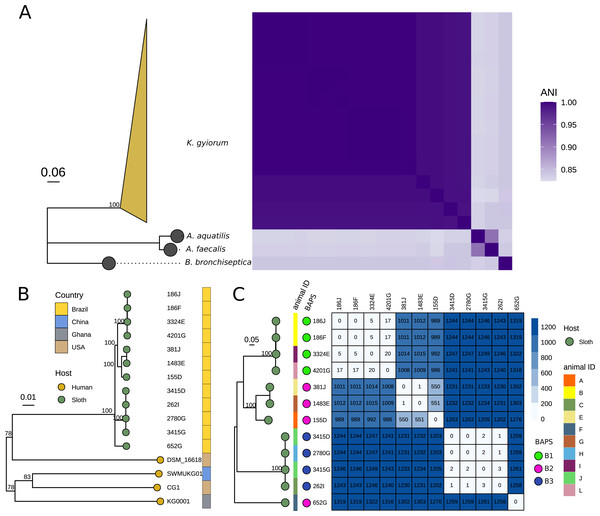
Analysis of twelve genomes of the bacterium Kerstersia gyiorum from brown-throated sloths (Bradypus variegatus), the first from a non-human host

Analysis of twelve genomes of the bacterium Kerstersia gyiorum from brown-throated sloths (Bradypus variegatus), the first from a non-human host

Kerstersia gyiorum is a Gram-negative bacterium found in various animals, including humans, where it has been associated with various infections. Knowledge of the basic biology of K. gyiorum is essential…

Continue lendoAnalysis of twelve genomes of the bacterium Kerstersia gyiorum from brown-throated sloths (Bradypus variegatus), the first from a non-human host